Headache Treatment in Dubai
Effective Headache & Migraine Treatment in Dubai

Headache Treatment in Dubai
Headaches are a very common neurological problem and can significantly impact daily life if they are consistent, intense, or chronic. From recurring migraine headaches to chronic headaches, proper understanding and identification of the problem is essential to effective management.Considering the headache management services available locally and our specialized services in Dubai, you can receive a headache evaluation, and management plan, that can all be performed in a step-wise approach to improve symptoms.
What is a Headache?
A headache is a common condition that causes pain or discomfort in the head, scalp, or neck. It can range from a mild, dull ache to intense, throbbing pain that may affect daily activities. Headaches can occur occasionally or become frequent, depending on the cause and individual health factors.Common triggers include stress, lack of sleep, poor posture, skipping meals, and prolonged screen use. While most headaches are temporary and manageable with rest and hydration, persistent or severe headaches may require medical attention to determine the underlying cause and ensure proper treatment.
What causes Headache?
- Stress & Tension
When you feel stressed or worried, the muscles in your head and neck become tight. This tightness creates pressure and leads to a dull, heavy headache that can last for hours. - Lack of Sleep
Not getting enough sleep makes your brain tired and less active. This can make you feel irritated and increase the chances of getting a headache during the day. - Dehydration
If you don’t drink enough water, your body does not function properly. This can reduce energy levels and cause a headache along with weakness and dizziness. - Too Much Screen Time
Using your phone, laptop, or TV for a long time puts strain on your eyes. This eye strain can slowly turn into a headache and may also cause blurred vision. - Migraine with aura
This type of headache starts with warning signs like flashing lights, zig-zag lines, or tingling in the body. After that, a strong and painful headache begins, which may need proper medical care.
For proper diagnosis and treatment, it’s always best to consult a specialist like Dr. Amit Arora, who can help identify the exact cause and guide you with the right care.
Specialized Neurological Care for Headaches
Headaches can arise from a variety of causes, including stress, lifestyle factors, neurological conditions, or underlying health issues. While occasional headaches are common, persistent or severe headaches may require specialized neurological care.
A structured and clinical approach ensures that the type of headache is correctly identified and managed appropriately.
Accurate Diagnosis Matters
Several types of headaches can present with the same symptoms, and can cause confusion and misdiagnoses. A thorough clinical review can help identify migraine headaches, tension headaches, cluster headaches, and other types of headaches caused by neurological issues.
The starting point for effective treatment lies in the accuracy of diagnosis.
Conditions We Manage
Understanding the nature of your headache can help you seek the right care at the right time.
Common Types of Headaches We Treat
Migraine headache
A migraine headache is often characterized by the presence of pulsating or throbbing pain, and increased sensitivity to light, and can even be accompanied by nausea.
What is Migraine?
A migraine is not just a regular headache—it’s a much stronger, more intense pain that often feels like a throbbing or pulsing sensation on one side of the head. Along with the pain, you might feel nauseous, uncomfortable and sensitive to light or sound, making even simple things feel difficult. Some people also notice early signs like blurred vision or flashing lights before the headache begins. A migraine can last for a few hours or even a couple of days, and during that time, it can really affect your ability to work, focus, or go about your normal routine.
What is Migraine with Aura?
A migraine with aura is a type of migraine where you experience warning signs before the headache starts. These signs, called aura, usually happen a few minutes to an hour before the pain begins. Aura can feel different for each person, but common symptoms include:
- Flashing lights or zigzag lines in vision
- Blurred or partial loss of vision
- Tingling or numbness in the face, hands, or body
- Difficulty speaking or finding words
After these warning signs, the typical migraine headache starts, which may include throbbing pain, nausea, and sensitivity to light and sound. In simple terms, migraine with aura is a migraine that gives you a signal or warning before it begins.
Our Approach to Migraine Treatment
When it comes to the management of migraine headaches it is a two-pronged approach, where we not only focus on relieving the symptoms, but we also put a focus on managing headaches in a long-term manner.
Comprehensive Neurological Evaluation
Treatment hinges on solid evaluations, like identifying potential headache causes, patterns, and triggers, and determining any underlying issues. Evaluation at this stage of the process is essential so we can build a treatment plan that is most likely to be effective.
Personalized Treatment Plans
For the duration of treatment, our goal is to improve your quality of life through sustainable medical interventions, and to do this every headache, every patient requires a distinct and custom treatment plan based on:
- Frequency and severity of your symptoms.
- Lifestyle, daily activities, and stress patterns.
- Medical history, and anything that may be a part of preexisting conditions or other related issues.
The goal is to provide sustainable relief and improve overall quality of life.
Advanced Therapies for Chronic Migraine Relief
Advanced therapeutic approaches are available for patients with chronic migraines, focusing on reducing both the frequency and intensity of headache episodes. These therapies are recommended based on a detailed clinical evaluation and are tailored to suit each patient’s condition and response to previous treatments.
In cases where migraines are frequent and do not respond adequately to conventional management, headache management including prophylaxis medications and botulinum injection for chronic migraine may be considered. This approach works by targeting specific pathways involved in pain transmission, helping to reduce the occurrence of migraine episodes over time. It is typically used as part of a broader, structured treatment plan under specialist supervision.
When Should You See a Neurologist?
Some headaches can be easily managed, but some signs show headaches might require a further look through a neurological lens.
- Worsening headaches, or those that happen with a high frequency.
- Headaches that are severe, or have sudden onsets.
- Headaches that impact your ability to sleep or do your daily responsibilities.
- Headaches that have accompanying symptoms i.e. dizziness, visual problems, or bodily weakness.
- Headaches that do not respond well (or at all) to basic medical care.
Expert Care with Dr. Amit Arora
When it comes to treating headaches, it is crucial to choose a neurologist who is experienced in the field to ensure you receive the proper diagnosis and treatment plan.
Specialist in Headache & Migraine Disorders
Dr. Amit Arora is a Consultant Neurologist with over 15 years of experience, including experience from the UAE. He has successfully treated and managed migraine headaches, chronic migraines, and other complicated neurological disorders.
Evidence-Based Treatment Approach
He is among the few neurologists with international training from the Cleveland Clinic and is a member of the Royal College of Physicians (UK) and the European Board of Neurology. This means he practices at the highest standards of medicine based on scientific evidence.
Patient-Centered Care
He understands the importance of the patient’s comfort and the ability to communicate effectively. In addition, he is mindful of the overall outcome of the treatment. He designs a treatment plan to meet the patient’s needs while ensuring a high standard of care, including the ethical aspects of neurology.
Frequently Asked Questions
Explore Other Treatments
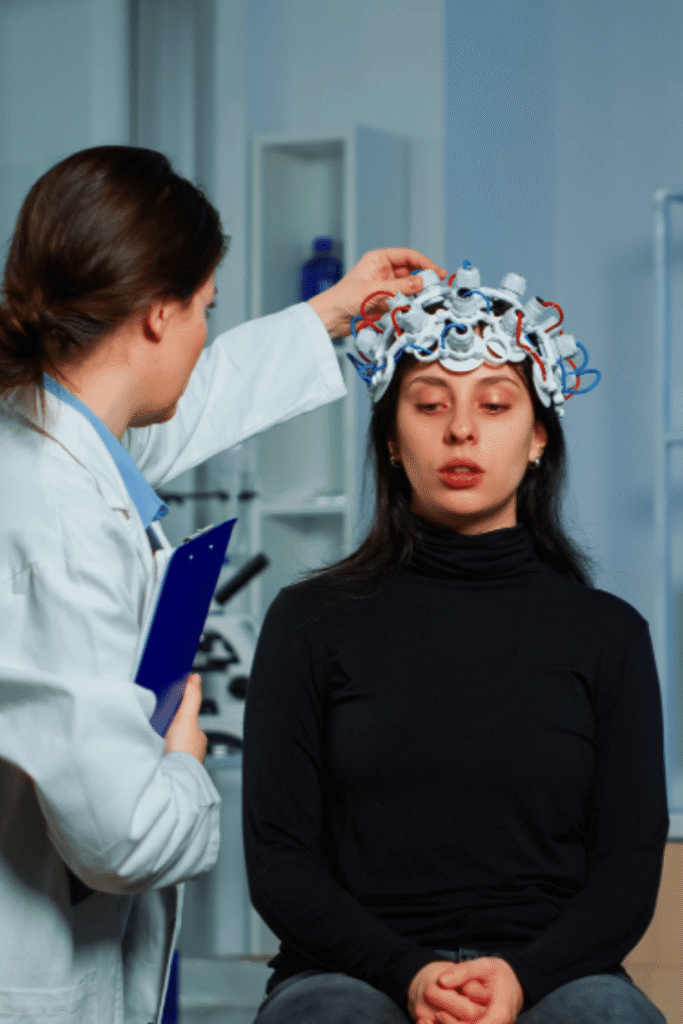


If you are experiencing frequent or severe headaches, seeking expert evaluation can help you understand the cause and explore appropriate treatment options.