Brain Stroke Treatment in Dubai
Advanced Brain Stroke Treatment in Dubai

A brain stroke occurs when blood flow to a part of the brain suddenly stops or decreases. Since the brain needs a constant supply of oxygen and nutrients from the blood to work properly, brain cells can begin to die within a few minutes if the blood supply is interrupted.
This can happen either because a blood vessel gets blocked by a clot or because a blood vessel bursts and causes bleeding in the brain. As a result, the affected part of the brain cannot function normally, leading to symptoms such as sudden weakness on one side of the body, difficulty speaking, confusion, loss of balance, facial drooping, severe headache, or vision changes.
What is a Brain Stroke?
A brain stroke occurs when the blood supply to the brain is interrupted, preventing brain cells from receiving oxygen and nutrients. This interruption may happen due to a blockage in the blood vessels supplying the brain (ischemic stroke) or bleeding within the brain (hemorrhagic stroke). Without immediate medical attention, brain cells can begin to die within minutes, leading to serious neurological damage.
FAST Warning Signs of Stroke
The FAST method is a simple and effective way to identify the warning signs of a stroke quickly.
| Letter | Meaning |
| F | Face drooping |
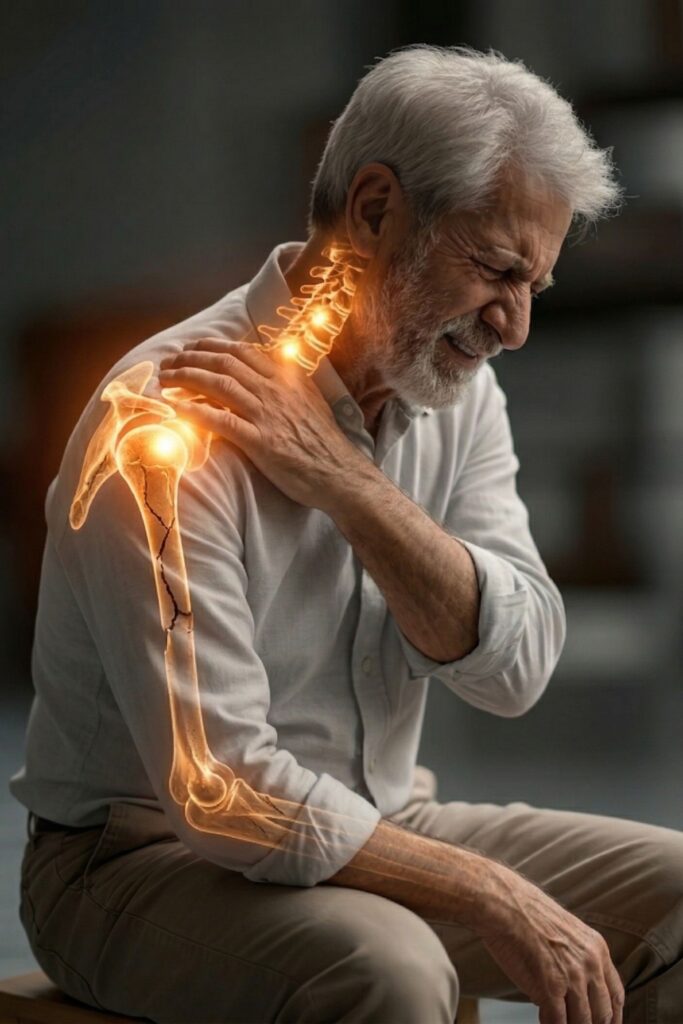
| A | Arm weakness |
| S | Speech difficulty |
| T | Time to call emergency services |
If any of these symptoms are present, immediate medical attention is necessary. Quick response and emergency stroke treatment can significantly reduce the risk of permanent brain damage.
Symptoms You Should Not Ignore
Recognizing early signs can be life-saving. Common symptoms include:
- Sudden weakness or numbness, especially on one side of the body
- Difficulty speaking or understanding speech
- Sudden confusion or disorientation
- Loss of balance or coordination
- Severe headache with no known cause
- Vision problems in one or both eyes
Focal weakness affects a specific area (like one arm or leg), while generalized weakness may impact the entire body.
Causes and Risk Factors
Strokes and TIAs are the result of severe medical conditions that interrupt the circulation of blood to the brain.
Common risk factors are:
- High blood pressure
- Diabetes
- High cholesterol
- Smoking
- Heart disease
- Sedentary lifestyle
These risk factors can be identified, managed, and ultimately prevented.
Types of Brain Strokes
Ischemic Stroke
An ischemic stroke occurs when a blood clot blocks or narrows a blood vessel supplying blood to the brain. This is the most common type of stroke and accounts for the majority of brain stroke cases worldwide.The blockage prevents oxygen and nutrients from reaching brain tissue, causing brain cells to become damaged within minutes. Immediate medical treatment is essential to restore blood flow and minimize neurological injury.
Common risk factors associated with ischemic stroke include:
- High blood pressure
- Diabetes
- High cholesterol
- Smoking
- Obesity
- Heart rhythm disorders such as atrial fibrillation
Early diagnosis and clot-dissolving treatments can significantly improve patient outcomes and reduce long-term disability.
Hemorrhagic Stroke
A hemorrhagic stroke occurs when a blood vessel in the brain ruptures, leading to bleeding inside or around the brain. The bleeding creates pressure on brain tissues and disrupts normal brain function.Uncontrolled high blood pressure is one of the leading causes of hemorrhagic stroke. Other contributing factors may include aneurysms, vascular abnormalities, trauma, or blood-thinning medications.
Symptoms can develop suddenly and may include:
- Severe headache
- Sudden weakness
- Vomiting
- Confusion
- Loss of consciousness
A hemorrhagic stroke is a medical emergency that requires immediate hospitalization and specialized neurological care to control bleeding and prevent further complications.
Transient Ischemic Attack (TIA) or Mini Stroke
A transient ischemic attack (TIA), also known as a mini-stroke, occurs when blood flow to the brain is temporarily interrupted. Unlike a major stroke, the blockage is short-lived, and symptoms usually resolve completely within minutes or hours.
Common transient ischemic attack symptoms may include:
- Temporary weakness or numbness
- Difficulty speaking
- Vision disturbances
- Sudden dizziness
- Facial drooping
Although symptoms disappear, a transient ischemic attack should never be ignored. It is often considered a warning sign before a major stroke and indicates an increased risk of future brain stroke events.
Diagnosis and Evaluation
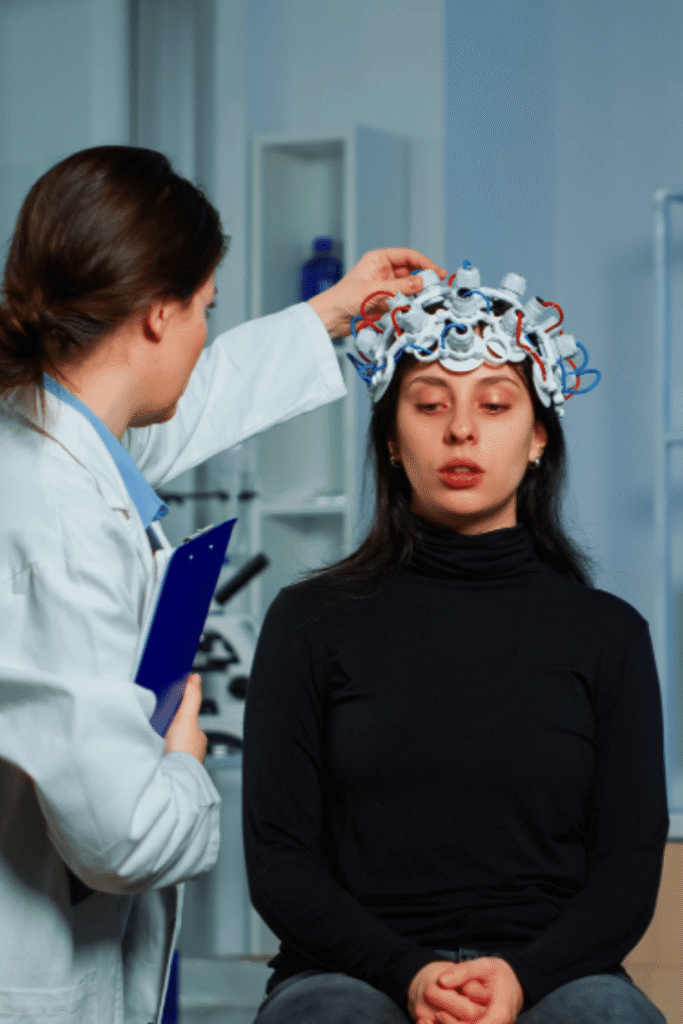
Prompt and accurate diagnosis is essential in effective stroke management. Identifying the type of stroke and the underlying cause helps neurologists initiate the most appropriate treatment without delay.
A neurologist may recommend several diagnostic evaluations, including:
- Brain imaging such as CT scan or MRI
- Vascular studies including Doppler ultrasound and angiography
- Blood tests
- Cardiac evaluations such as ECHO and heart rhythm monitoring.
These investigations help determine whether the condition involves a blockage, bleeding, or temporary interruption of blood flow to the brain. Early diagnosis significantly improves treatment outcomes and recovery potential.
Treatment and Management
Stroke treatment depends on the type, severity, and timing of the condition. The immediate goal of treatment is to restore blood flow to the brain, minimize brain damage, and stabilize the patient’s neurological condition.
Long-term stroke management may include:
- Medications to reduce clot formation and prevent future strokes
- Blood pressure, cholesterol, and diabetes management
- Physical rehabilitation therapy
- Occupational therapy
- Speech and language therapy
- Lifestyle modifications and preventive care
- Regular neurological follow-up and monitoring.
Recovery after a brain stroke varies from person to person, and comprehensive rehabilitation plays a vital role in improving mobility, speech, strength, and overall quality of life.
Expert Care with Dr. Amit Arora
Specialist in Brain Stroke
Dr. Amit Arora is a Consultant Neurologist with 15+ years of experience, including extensive practice in the UAE. He specializes in the diagnosis and treatment of brain stroke, paralysis, TIA, and stroke rehabilitation, providing advanced neurological care for better recovery outcomes.
Evidence-Based Treatment Approach
He is among the few neurologists with international training from the Cleveland Clinic and is a member of the Royal College of Physicians (UK) and the European Board of Neurology. This means he practices at the highest standards of medicine based on scientific evidence.
Patient-Centered Care
Treatment is aimed at symptom relief and enhancing the individual’s overall quality of life. This may entail physical therapy, assistive technology, and customized medical treatment to the individual’s needs. Although some disorders may not be curable, effective management of these disorders will help alleviate the symptoms and help slow down the progression of these disorders.