Movement Disorder Treatment in Dubai
Advanced Movement Disorders Treatment in Dubai

What are Movement Disorders?
Movement disorders are neurological disorders that are defined by their disruption of the patient’s normal biomechanical movements. Movement disorders are caused by dysfunction of the brain neurotransmitters and may result in too many movements (hyperkinesia) or too few (hypokinesia) movements . Patients suffering from movement disorders may experience loose or involuntary movements, body stiffness, and/or severe difficulties in conscious controlled movements. Movement disorder treatment in Dubai is vital for controlling these symptoms and improving the patient’s functionality.
Causes and risk factors of movement disorders
Movement disorders can develop due to a variety of neurological, genetic, or age-related factors that affect the brain and nervous system. Common causes include degeneration of nerve cells, inherited conditions, brain injuries, infections, or side effects of certain medications. Risk factors such as advancing age, family history, exposure to toxins, and underlying neurological diseases may also increase the likelihood of developing these conditions. Identifying the underlying cause is important for accurate diagnosis and long-term management.
Types of Movement Disorders
There are many movement disorders and they are often presented uniquely but, in some cases, can exhibit similar symptoms. Here is a short list of some of the most common movement disorders:
Tremors
Involuntary and rhythmic movements, primarily of the hands or head.
Parkinson’s Disease
Progressive disorder characterized by decreased movement, stiffness, and increased difficulties with balance.
Ataxia
lack of movement coordination and difficulty in controlling balance
Dystonia
Sustained contractions of muscles (i.e., involuntary) resulting in twisting and repeated movements.
Chorea
Irregular and unpredictable movements (often due to some neurological injury).
Tic disorders
Repetitive and involuntary movements (i.e. head or neck ) and/or sounds (e.g., throat clearing).
Symptoms of Movement Disorders
Symptoms of movement disorders can vary considerably with the disorder but they tend to present with the same general problems.
- Movements that are involuntary, uncontrolled, or are a result of too little voluntary participation (i.e. hypokinesia)
- Tremors or other movements that result in shaking.
- Stiffness or rigidity of muscles.
- Movements that are too slow (i.e. bradykinesia).
- Inadequate coordination and increased difficulty with maintaining balance (i.e. ataxia).
- In severe cases, the patient may experience increased difficulty with eating, speaking, or swallowing
These symptoms can gradually impact a person’s ability to perform routine activities, making early recognition and consultation with a specialist important.
Diagnosis and Treatment
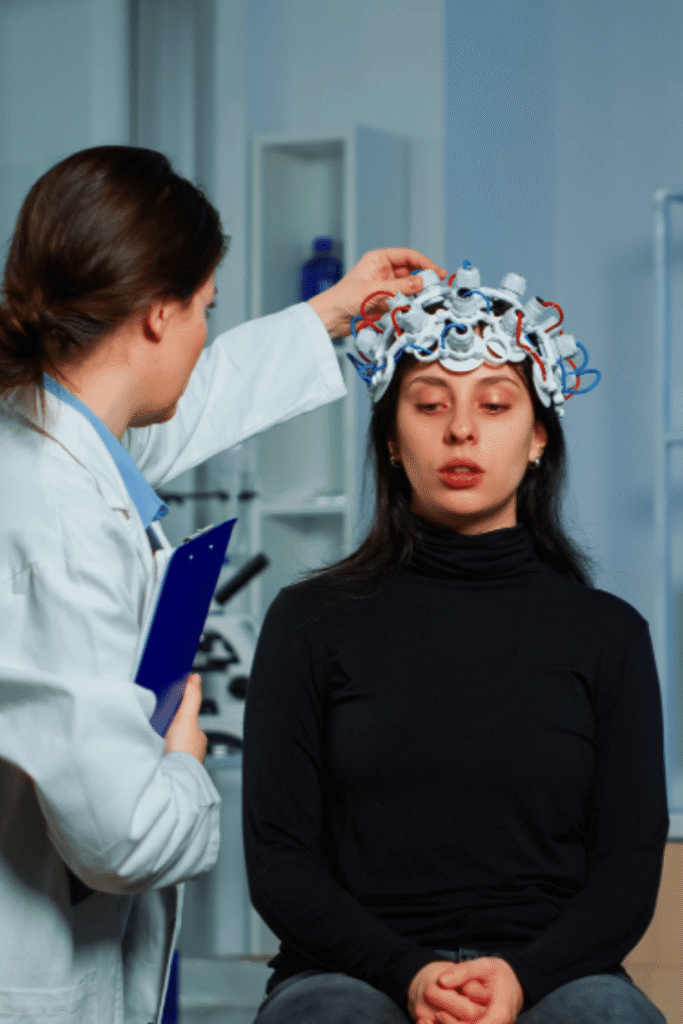
The diagnosis of movement disorders requires thorough neurological and other advanced diagnostic examinations. For example, neurologists might assess patient medical history, conduct clinical examinations, and order additional studies, neuroimaging, or other electrophysiology testing, if necessary.
The treatment of movement disorders is individualized and aimed at controlling abnormal movement and improving quality of life. Treatment might include:
- Medications to control abnormal movements
- Physical therapy to improve strength and coordination
- Occupational therapy to improve function of daily activities
- Speech therapy if communication is affected
- Other advanced measures, based on appropriateness
The treatment of movement disorders in Dubai is individualized based on the diagnosis and severity of the condition providing comprehensive care to the patient.
Expert Care with Dr. Amit Arora
- Consultant Neurologist with over 15 years of clinical experience in managing neurological disorders.
- Expert in Parkinson’s disease and tremor management with a strong focus on personalized patient care.
- Internationally trained at prestigious institutions including AIIMS, New Delhi, Cleveland Clinic USA, and Cleveland Clinic Abu Dhabi.
- Experienced in diagnosing and treating a wide range of movement disorders using evidence-based neurological care.
- Focuses on accurate diagnosis, long-term symptom management, and improving patient quality of life.
- Known for his ethical, compassionate, and patient-centered approach to neurological treatment.