When Should Dizziness Be Taken Seriously?
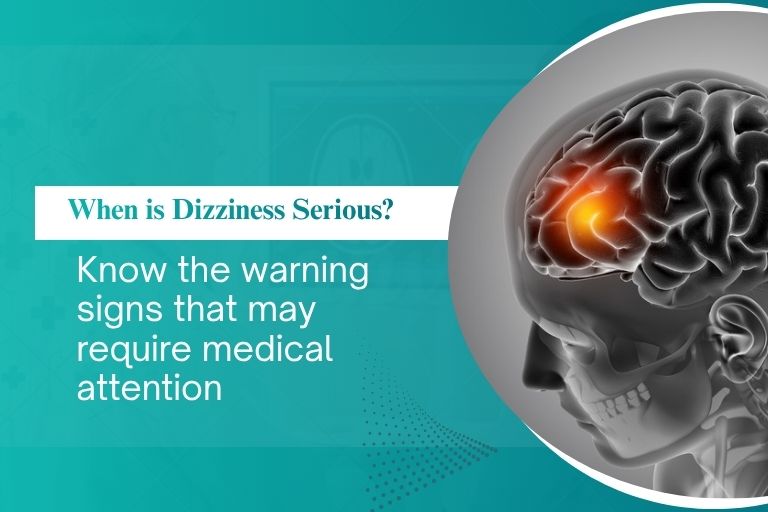
Dizziness is a common symptom that can happen for many reasons, from dehydration and fatigue to inner-ear problems and neurological conditions. Some people may feel lightheaded, unsteady, or as though the room is spinning. While occasional dizziness may not always indicate a serious problem, recurring or sudden episodes should not be ignored.
Understanding what triggers dizziness, how long it lasts, and whether it occurs alongside other symptoms can help determine when medical attention is necessary. If you frequently feel lightheaded and dizzy, particularly without an obvious reason, consulting a qualified neurologist can help identify the underlying cause.
What Does Dizziness Feel Like?
Dizziness does not feel the same for everyone. Some people describe it as a spinning sensation, while others experience lightheadedness, imbalance, or a feeling that they might faint.
Common descriptions include:
- Feeling light headed and dizzy when standing up
- Feeling as though the surroundings are spinning
- Difficulty maintaining balance while walking
- Feeling unsteady or weak
- A sensation of floating or being disconnected from your surroundings
- Dizziness accompanied by nausea or sweating
Identifying the type of dizziness can provide useful clues about its possible cause.
Why Do You Feel Light Headed and Dizzy?
There are several potential causes of dizziness. Some are temporary and relatively harmless, while others require medical evaluation.
Dehydration and Low Blood Pressure
Not drinking enough fluids, excessive sweating, or prolonged periods without food can contribute to dizziness. A sudden drop in blood pressure, particularly when standing up quickly, can also cause lightheadedness.
Inner Ear Problems
The inner ear plays an important role in maintaining balance. Conditions affecting the vestibular system can cause vertigo, where you feel as though you or your surroundings are spinning.
Benign Paroxysmal Positional Vertigo
Benign paroxysmal positional vertigo, commonly known as BPPV, is one possible reason for experiencing dizziness when moving head. Turning in bed, looking upward, bending down, or making another specific head movement may trigger a brief spinning sensation.
Migraine
Some people experience dizziness as part of migraine, even when a typical headache is absent. Migraine-associated dizziness may occur with sensitivity to light or sound, nausea, visual symptoms, or imbalance.
Medication Effects
Certain medications can cause dizziness or affect blood pressure and balance. If dizziness begins after starting or changing a medication, discuss the symptom with your healthcare professional rather than stopping the medication on your own.
Neurological Causes
In some cases, dizziness can be associated with neurological conditions. This is particularly important when dizziness occurs together with other neurological symptoms, such as weakness, difficulty speaking, changes in vision, severe imbalance, or altered awareness.
When Is Dizziness an Emergency?
Sudden dizziness accompanied by certain symptoms can indicate a medical emergency. Seek urgent medical attention if dizziness develops suddenly with:
- Weakness or numbness, especially on one side of the body
- Difficulty speaking or understanding speech
- Sudden changes in vision
- Severe difficulty walking or maintaining balance
- Loss of consciousness
- A sudden, severe headache
- New confusion or significant changes in alertness
- Chest pain or severe shortness of breath
These symptoms should not be dismissed as ordinary dizziness. Prompt assessment is important because some serious neurological and cardiovascular conditions can initially present with dizziness or imbalance.
Should You Be Concerned About Dizziness When Moving Your Head?
Experiencing dizziness when moving head can sometimes point toward a vestibular or positional problem, particularly when the sensation is brief and occurs after specific movements.
For example, dizziness may occur when:
- Turning your head quickly
- Getting out of bed
- Looking up or down
- Rolling over while lying down
- Bending forward
However, recurrent positional dizziness should still be evaluated, particularly if it is becoming more frequent, affecting daily activities, or accompanied by hearing changes, severe headache, weakness, visual symptoms, or difficulty walking.A healthcare professional can assess the pattern of dizziness and determine whether further neurological, vestibular, or other investigations are appropriate.
When Should You See a Neurologist for Dizziness?
Occasional dizziness that resolves quickly may not require specialist assessment. However, consider speaking with a neurologist if your symptoms are persistent, recurrent, unexplained, or interfering with everyday activities.
A neurological evaluation may be particularly appropriate when dizziness is accompanied by:
- Recurrent unexplained episodes
- Problems with coordination or balance
- Headaches or migraine symptoms
- Changes in speech or vision
- Numbness or weakness
- Episodes of altered awareness
- Fainting or unexplained loss of consciousness
- Other unusual neurological symptoms
During an evaluation, your doctor may ask about when the dizziness started, how long episodes last, what triggers them, associated symptoms, medications, and relevant medical history. Depending on the symptoms, additional tests may be recommended.
How Dr. Amit Arora Approaches Neurological Symptoms?
Dr. Amit Arora is a Consultant Neurologist at Fakeeh University Hospital, Dubai, with more than 15 years of experience in neurology. His specialised training includes a dedicated Clinical Epilepsy Fellowship at AIIMS, New Delhi, followed by further training at the Cleveland Clinic Epilepsy Centre in Ohio, USA.
Dr. Arora runs dedicated epilepsy clinics and has expertise in advanced diagnostic procedures, including EEG and electrophysiology guided workups, as well as the management of refractory seizures.
Although dizziness can have many causes unrelated to epilepsy, unexplained episodes involving altered awareness, unusual movements, or loss of consciousness may require careful neurological assessment. A detailed evaluation can help distinguish different types of episodes and determine the appropriate next steps.
How Can You Track Your Dizziness?
Keeping a record of your symptoms can make your medical consultation more useful. Consider noting:
- When the episode occurred
- How long it lasted
- What you were doing immediately beforehand
- Whether moving your head triggered it
- Whether you felt spinning, faintness, or imbalance
- Any associated headache, nausea, visual changes, weakness, or numbness
- Any recent medication changes
- Whether the episodes are becoming more frequent
This information can help your doctor identify patterns and decide whether further evaluation is needed.
The Bottom Line: Don’t Ignore Persistent or Unexplained Dizziness
Dizziness can have a simple explanation, but persistent, recurrent, sudden, or unexplained symptoms deserve attention. If you regularly feel light headed and dizzy, experience dizziness when moving head, or notice dizziness alongside other neurological symptoms, seeking professional medical advice can help identify the underlying cause.
Early evaluation is particularly important when dizziness is severe, sudden, or associated with weakness, speech or vision changes, loss of consciousness, or significant difficulty with balance.
With his extensive experience in neurology and specialised expertise in epilepsy care, Dr. Amit Arora provides individualised neurological assessment to help patients better understand unexplained neurological episodes and determine appropriate next steps.