What Are the First Signs of Alzheimer’s in Women and Men?
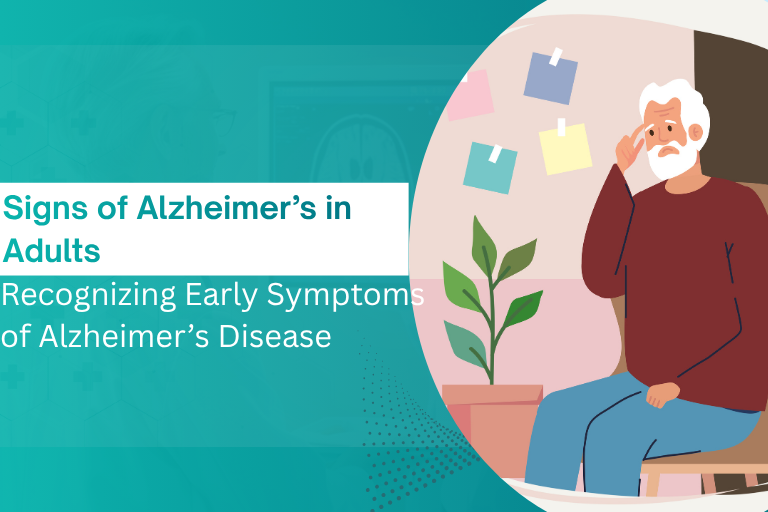
Alzheimer’s disease can affect much more than a person’s ability to remember names, dates, or recent conversations. As the condition progresses, it may influence communication, judgment, emotional responses, familiar routines, and the ability to recognize loved ones. For families and caregivers, these changes often raise difficult questions: Will a person eventually forget who they are? Can they still recognize family members? How can you help them feel safe when they are confused or distressed?
Understanding Alzheimer’s disease symptoms can help families recognize changes, respond with compassion, and seek appropriate medical guidance. Although the condition progresses differently for each person, supportive care, familiar surroundings, and timely professional assessment can help address many of the challenges associated with it.
What Is Alzheimer’s Disease?
Alzheimer’s disease is a progressive neurological condition that damages brain cells and affects the networks responsible for memory, thinking, language, and other cognitive functions. It is the most common cause of dementia, although dementia itself is not a single disease.
The terms Alzheimer’s disease and dementia are often used interchangeably, but they have different meanings. Dementia describes a group of symptoms that interfere with everyday functioning, including memory loss, impaired reasoning, communication difficulties, and changes in behavior. Alzheimer’s disease is a specific brain disorder that can cause these symptoms.
In the early stages, a person may have difficulty remembering recent events or organizing daily activities. As the condition advances, problems with communication, orientation, recognition, and independence may become more noticeable. In later stages, a person may need extensive assistance with personal care, eating, mobility, and other everyday activities.
Alzheimer’s disease does not affect everyone in the same way or at the same pace. Understanding the individual’s symptoms and needs is therefore essential when planning care and providing emotional support.
What Are the Common Symptoms of Alzheimer’s Disease?
Alzheimer’s disease symptoms usually develop gradually and become more noticeable over time. Early changes may be mistaken for ordinary forgetfulness, particularly when they appear occasionally. However, persistent memory problems that interfere with everyday life deserve medical attention.
Early Symptoms of Alzheimer’s Disease
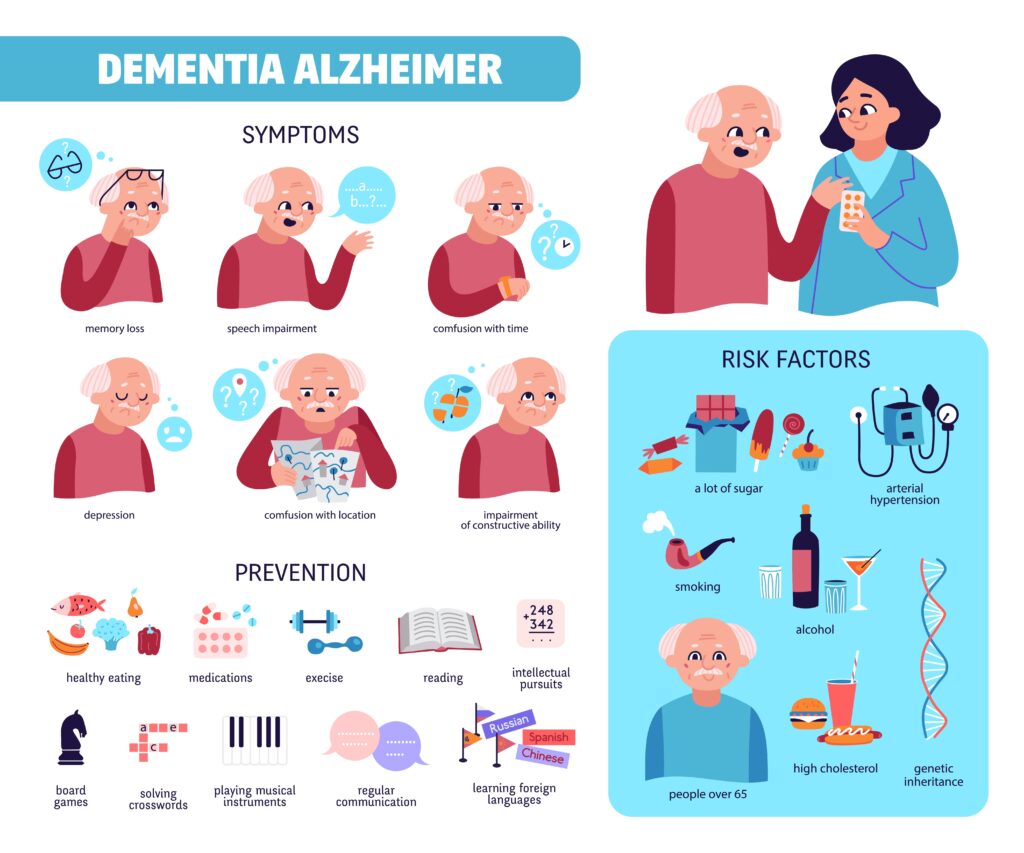
Early symptoms can vary, but memory difficulties are among the most recognizable signs. Other changes may affect communication, decision-making, and familiar routines.
Common early symptoms include:
- Short-term memory loss: Forgetting recently learned information, repeating questions, or relying increasingly on reminders for everyday tasks.
- Difficulty finding words: Struggling to follow conversations, remember familiar words, or explain thoughts clearly.
- Confusion about time or place: Losing track of dates, becoming uncertain about where they are, or having difficulty following a familiar route.
- Problems with planning and judgment: Finding it harder to manage finances, follow instructions, or complete tasks that previously felt routine.
- Misplacing objects: Putting belongings in unusual places and struggling to retrace steps to find them.
- Changes in mood or behavior: Experiencing increased anxiety, irritability, withdrawal, or frustration when faced with unfamiliar or demanding situations.
Occasional forgetfulness does not automatically indicate Alzheimer’s disease. Sleep problems, medication effects, vitamin deficiencies, depression, and other medical conditions can also affect memory and concentration. A proper assessment helps determine the possible cause.
Symptoms of Middle-Stage Alzheimer’s Disease
As Alzheimer’s disease progresses, cognitive changes may interfere more significantly with everyday activities. A person may increasingly depend on family members or caregivers for guidance and reassurance.
Possible symptoms include:
- Repeating questions or stories because recent information is no longer retained.
- Having increasing difficulty recognizing familiar surroundings or navigating familiar places.
- Struggling to remember important personal details or recognize people they know well.
- Becoming confused about the day, time, or sequence of events.
- Experiencing greater difficulty dressing, preparing meals, managing personal belongings, or following daily routines.
- Showing increased anxiety, agitation, suspicion, or emotional distress.
Some people may become upset when they cannot explain what they need or understand what is happening around them. Others may withdraw from conversations or activities because they feel overwhelmed. These responses should be approached with patience rather than criticism.
Symptoms of Late-Stage Alzheimer’s Disease
In the later stages, Alzheimer’s disease can cause severe impairment in memory, communication, and physical functioning. A person may have difficulty expressing needs verbally, recognizing close family members, or understanding familiar situations.
Common symptoms may include:
- Severe memory loss and limited ability to communicate.
- Difficulty recognizing relatives, friends, or even aspects of personal history.
- Dependence on others for bathing, dressing, eating, and other personal care.
- Changes in walking, balance, coordination, or mobility.
- Difficulty chewing or swallowing.
- Increased vulnerability to infections and other complications associated with advanced illness and reduced mobility.
Not everyone experiences every symptom, and the order in which changes occur can differ. Even when verbal communication becomes difficult, a person may continue to respond to a familiar voice, gentle touch, music, or a reassuring presence. Maintaining comfort, dignity, and human connection remains important throughout the condition.
Do People With Alzheimer’s Eventually Forget Who They Are?
This is one of the most emotionally challenging questions for families caring for someone with Alzheimer’s disease. The answer is that some people experience profound changes in their memory and sense of identity, but not everyone completely loses awareness of who they are.
Alzheimer’s disease affects different types of memory over time. Recent experiences and newly learned information are often affected earlier than some older, deeply established memories. As a result, a person may forget what they ate for breakfast but still remember childhood experiences, familiar songs, or meaningful moments from earlier life.
As the disease progresses, personal memories may become fragmented. A person may forget their age, occupation, family relationships, or significant life events. In advanced stages, some people may no longer recognize their own name or understand their reflection in a mirror. Others may retain aspects of their personal identity for longer.
These changes are not predictable in the same way for everyone. They depend on several factors, including the progression of the disease, the areas of the brain affected, and the individual’s overall health.
Can People With Alzheimer’s Forget Their Own Names or Recognize Themselves?
Yes, this can happen, particularly in advanced Alzheimer’s disease, although it is not inevitable for every person. Someone may have difficulty recalling their own name, understanding their age, or connecting their reflection with their sense of self.
Recognition can also fluctuate. A person might recognize a family member during one interaction but appear uncertain during another. Familiar faces, voices, photographs, or contextual clues may sometimes help them feel more connected.
When a person does not recognize a loved one, it can be deeply upsetting for the family. However, this does not necessarily mean that the emotional bond has disappeared. The person may still respond positively to a familiar voice, a gentle approach, a favorite song, or the feeling of being cared for.
Why Do Older Memories Sometimes Remain Longer?
Different memory systems involve different brain networks. Alzheimer’s disease often affects the ability to form and retain new memories before some older memories become inaccessible.
For this reason, a person may remember childhood experiences or an earlier stage of their life more clearly than recent events. They may also recall familiar songs, routines, or emotionally meaningful experiences even when other details are difficult to retrieve.
However, older memories can also become confused, incomplete, or lost as the disease progresses. Caregivers should avoid assuming that a memory is accurate simply because it appears vivid or emotionally powerful.
How Can Caregivers Help When Someone Is Confused About Their Identity?
The goal is not to test the person’s memory or force them to remember details they can no longer access. Instead, caregivers can help them feel secure and respected.
- Introduce yourself calmly when necessary, even if you are a close family member.
- Use familiar names, photographs, and meaningful objects to provide gentle reminders.
- Avoid repeatedly asking questions such as “Do you know who I am?” because this may cause embarrassment or distress.
- Reassure the person if they seem frightened or uncertain.
- Focus on their present feelings and needs rather than correcting every inaccurate statement.
A person’s identity encompasses more than factual memories. Their preferences, emotional responses, habits, and need for connection can remain meaningful even as cognitive abilities change.
Is There a Way to Make Someone With Alzheimer’s Feel Better?
Although Alzheimer’s disease currently has no cure, thoughtful caregiving can help reduce distress and support a person’s quality of life. The most effective approach depends on the individual, the stage of the condition, and the reason they are upset.
Create a Calm and Familiar Environment
People with Alzheimer’s may become overwhelmed by unfamiliar surroundings, excessive noise, crowded rooms, or sudden changes in routine. A calm environment can make everyday activities feel more manageable.
Try to maintain predictable mealtimes, sleep routines, and familiar activities. Keep frequently used belongings in consistent places and ensure rooms are adequately lit. Reduce background noise when communicating, and introduce changes gradually whenever possible.
If the person becomes agitated, consider whether the environment is contributing to their discomfort. A quieter room, a familiar chair, or the presence of a trusted caregiver may help.
Use Reassurance Instead of Correcting Every Mistake
Correcting a person repeatedly may increase frustration without helping them retain the information. If someone believes they need to go to work despite being retired, arguing about the date or their employment history may cause unnecessary distress.
Instead, acknowledge the feeling behind the statement. You might say, “You seem worried about getting there. Tell me what is troubling you.” Then gently redirect the conversation or offer a familiar activity.
Speak slowly, use short and clear sentences, and allow enough time for the person to respond. If they repeat a question, answer patiently rather than showing irritation.
Reassurance does not mean ignoring genuine safety concerns. It means addressing those concerns in a way that preserves dignity and reduces unnecessary confrontation.
Use Music, Photographs, and Familiar Activities
Activities connected with a person’s interests and life history can provide comfort and opportunities for connection.
Consider listening to favorite songs, looking through family photographs, folding laundry together, watering plants, or participating in another familiar task. Simple activities can offer a sense of purpose without creating excessive pressure.
Music may prompt emotional responses or memories even when verbal communication becomes difficult. However, responses differ from person to person. If an activity causes frustration, confusion, or sadness, try something else.
The aim is not to test memory or achieve a particular result. It is to create a positive experience suited to the person’s current abilities.
Meet Their Physical and Emotional Needs
Sometimes, what appears to be a behavioral problem is actually a response to physical discomfort or an unmet need. A person who cannot clearly communicate pain, thirst, or fatigue may express discomfort through agitation, restlessness, or withdrawal.
Check whether the person may be hungry, thirsty, tired, too hot or cold, constipated, or experiencing pain. Also consider whether they need help using the toilet or are uncomfortable because of medication effects or illness.
Encourage gentle movement and social interaction when appropriate, while respecting the person’s abilities and preferences.
If distress is persistent, unusually severe, or accompanied by a significant behavioral change, consult a healthcare professional. Pain, infection, medication-related problems, and other medical conditions may need attention.
Do People With Alzheimer’s Relive Traumatic Moments?
People with Alzheimer’s disease may experience distress connected to past experiences, but this does not necessarily mean they are reliving a traumatic event in the same way they experienced it originally.
Memory loss, confusion, changes in perception, and difficulty understanding the present can influence how a person interprets their surroundings. Certain sounds, places, conversations, or interactions may trigger fear or sadness associated with an earlier experience. A person may also describe an event inaccurately or appear to believe that something from the past is happening again.
It is important to distinguish these experiences from trauma-related conditions, such as post-traumatic stress disorder (PTSD). Alzheimer’s disease can coexist with PTSD, anxiety, depression, or other conditions, and a healthcare professional may need to assess the symptoms to understand what is happening.
Can a Person Experience Distress Linked to a Past Trauma?
Yes. A person with Alzheimer’s may become frightened, anxious, or upset when something reminds them of a difficult experience. However, it may not be possible for them to explain the connection clearly.
For example, a person who previously experienced a frightening event may become distressed in a particular environment. Someone else may repeatedly express concern about a situation that does not appear threatening to their caregiver.
These reactions should not automatically be interpreted as proof that the person is reliving a traumatic memory. The distress may be related to confusion, a misinterpretation of the current situation, an unmet physical need, or another medical or psychological factor.
Why Can Certain Situations Trigger Fear or Confusion?
Several factors may contribute to emotional distress in people with Alzheimer’s disease:
- Environmental triggers: Loud noises, unfamiliar rooms, crowded places, or sudden changes can create a sense of uncertainty.
- Difficulty interpreting the present: A person may misunderstand what someone is doing or why an activity is taking place.
- Memory-related confusion: Past experiences and present circumstances may become difficult to distinguish.
- Communication difficulties: Being unable to explain pain, fear, or discomfort can increase frustration.
- Coexisting emotional conditions: Anxiety, depression, or a history of trauma may contribute to recurring distress.
Understanding what happened immediately before the reaction can help caregivers identify possible triggers and adjust their approach.
How Should Caregivers Respond to Distressing Memories?
If a person appears frightened or upset, prioritize their immediate sense of safety rather than trying to establish whether their account is factually correct.
Speak gently, acknowledge their feelings, and offer reassurance. You might say, “I can see that you’re worried. I’m here with you, and we’ll take this one step at a time.”
If a particular activity or setting appears to increase distress, consider moving to a quieter space or changing the activity. Avoid forcing the person to discuss painful experiences or repeatedly questioning them about what happened.
If episodes recur, become more intense, or interfere with everyday life, seek professional advice. A healthcare professional can assess possible neurological, psychological, medication-related, and physical causes and recommend appropriate support.
When Should You Seek Medical Advice?
Memory changes should not automatically be attributed to aging or Alzheimer’s disease. Early medical assessment can help identify the cause of symptoms and determine what support may be appropriate.
Consider arranging a consultation if you or a loved one experiences:
- Repeated memory problems that interfere with everyday activities.
- Increasing difficulty finding words, following conversations, or completing familiar tasks.
- Confusion about familiar places, dates, or routines.
- Noticeable changes in judgment, personality, or behavior.
- Increasing difficulty managing finances, medications, or personal responsibilities.
A healthcare professional like Dr. Amit Arora will help review medical history, medications, cognitive symptoms, and daily functioning. Depending on the findings, the assessment may include cognitive testing, physical and neurological examinations, laboratory tests, or brain imaging.
Other conditions can cause or contribute to memory difficulties, so a comprehensive assessment is important before reaching a diagnosis. Although Alzheimer’s disease cannot currently be cured, medical care can help manage symptoms, assess treatment options, address additional health concerns, and support patients and caregivers.
Seek urgent medical attention if confusion develops suddenly or worsens rapidly. Sudden confusion can be associated with conditions such as delirium, infection, medication effects, or stroke and should not simply be assumed to be a progression of Alzheimer’s disease.