Neuromuscular Disorder Treatment in Dubai
Neuromuscular Disorders Care in Dubai

Neuromuscular Treatment in Dubai
Living with muscle weakness, numbness, fatigue, muscle cramps, or difficulty walking can gradually affect independence, mobility, and overall quality of life. For many patients, even routine daily activities may become physically exhausting or uncertain over time.Dr. Amit Arora, Consultant Neurologist with over 15 years of experience, provides specialized neuromuscular treatment in Dubai focused on identifying the underlying neurological cause, managing symptoms effectively, and helping patients maintain better long-term function and quality of life.
He specializes in conditions such as peripheral neuropathy, myopathy, myasthenia gravis, motor neuron diseases, and other complex neuromuscular disorders through personalized and patient-focused neurological care.
What are Neuromuscular Disorders?
Neuromuscular disorders encompass a range of congenital or chronic acquired diseases that impact the brain’s ability to communicate with the muscles, resulting in weakness, numbness, reduced tone or pain. Due to the brain’s inability to communicate with the muscles, this leads to reduced mobility. This reduced mobility can lead to a decrease in quality of life, as well as resulting in the person’s permanent immobility.
How the Nerve-Muscle Connection Works ?
The nervous system and muscles work together through electrical signals sent from the brain to different parts of the body. When these signals travel properly through the nerves, the muscles respond with smooth and controlled movement. In neuromuscular disorders, this communication pathway becomes disrupted due to nerve or muscle damage. As a result, patients may experience muscle weakness, fatigue, poor coordination, or difficulty performing regular physical activities
Causes of Neuromuscular disorders
These conditions depend on where in the body the disease strikes. They may be caused by:
- Genetic mutations and hereditary conditions
- Autoimmune diseases such as Myasthenia gravis
- Nerve injuries or damage
- Viral or bacterial infections affecting the nervous system
- Metabolic and mitochondrial disorders
- Inflammatory conditions affecting muscles and nerves
- Degenerative neurological diseases
- Exposure to toxins or certain medications
Types of Neuromuscular Disorders
There are many different neuromuscular disorders that include a wide range of conditions affecting different systems. Some of the most clinically relevant examples include:
Some of the most clinically relevant examples include:
- Motor neuron diseases affecting the spinal cord
- Muscular dystrophies (such as Duchenne muscular dystrophy)
- Neuromuscular junction disorders like Myasthenia gravis
- Congenital and metabolic myopathies
- Spinal muscular atrophy
- Peripheral neuropathies (inherited or acquired)
- Inflammatory conditions like dermatomyositis
Each type requires a specific approach to diagnosis and management, making expert neurological evaluation essential.
Symptoms of Neuromuscular Disorders
The symptoms of neuromuscular disorders can vary, but certain signs should not be overlooked.
Common causes include:
- Persistent muscle weakness
- Difficulty in walking or maintaining coordination
- Numbness or tingling sensations
- Muscle cramps or fatigue
- Joint stiffness or contractures
- Delayed motor development in children
Early recognition of these symptoms, especially in individuals with a family history of neuromuscular diseases is crucial for timely medical attention.
Diagnosis and Treatment
Diagnosis
Diagnosis for neuromuscular disorders consists of an extensive clinical review and other sophisticated methods.
A neurologist may suggest:
- Blood Test
Blood tests are often the first step in identifying underlying neuromuscular disorders and evaluating muscle health. One important investigation is the Creatine Kinase (CK) test, which helps detect muscle damage or inflammation by measuring enzyme levels in the blood. - Electromyography (EMG)
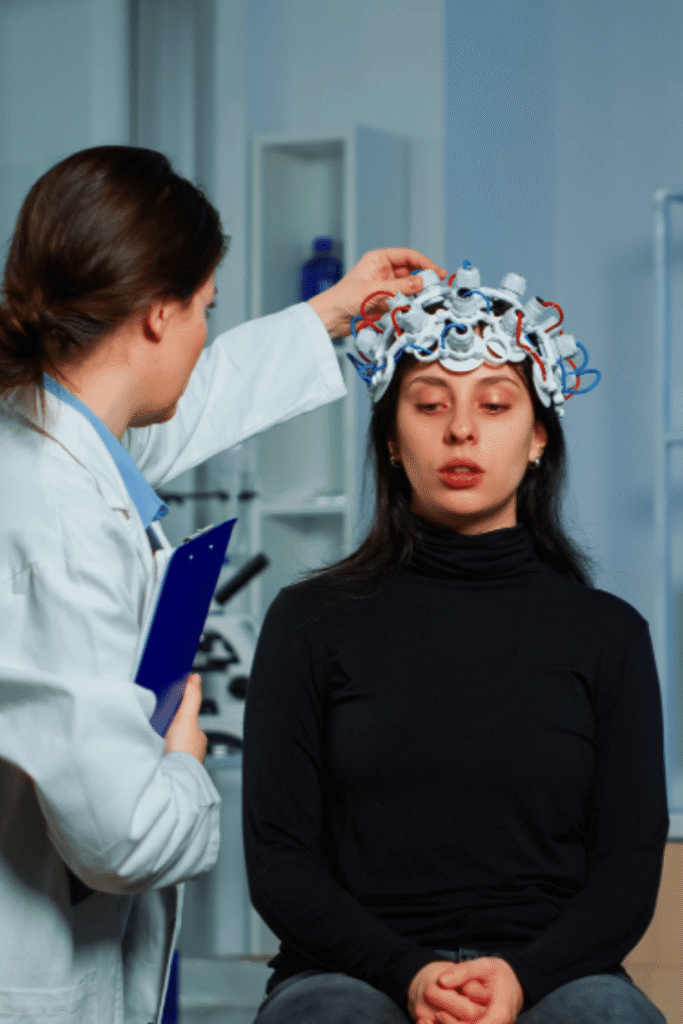
Electromyography (EMG) and nerve conduction studies are advanced diagnostic procedures used to evaluate the functioning of nerves and muscles. These tests help determine how effectively electrical signals travel through the nerves and how muscles respond to them. - Genetic tests for hereditary disorders
Genetic testing is recommended when a hereditary neuromuscular disorder is suspected, especially in individuals with a family history of neurological conditions. These tests help identify specific gene mutations linked to disorders such as muscular dystrophy and spinal muscular atrophy.
Treatment Approaches
Treatment is aimed at symptom relief and enhancing the individual’s overall quality of life. This may entail physical therapy, assistive technology, and customized medical treatment to the individual’s needs. Although some disorders may not be curable, effective management of these disorders will help alleviate the symptoms. It may help slow down the progression of these disorders.
- Physiotherapy and Occupational Therapy
Rehabilitation therapies help improve mobility, muscle strength, flexibility, coordination, and independence in daily activities.
- Speech and Swallowing Therapy
Patients experiencing speech difficulties or swallowing problems benefit from specialized therapies that improve communication and feeding functions.
- Medication Management
Certain conditions, such as Myasthenia gravis, may require medications including immunosuppressants, corticosteroids, or other neurological treatments to manage symptoms effectively.
- Assistive Devices and Supportive Care
Wheelchairs, braces, orthotics, and assistive technologies can improve mobility and enhance independence.
Why Early Diagnosis and Treatment Matter More Than You Think
Early diagnosis plays a critical role in effectively managing neuromuscular disorders. Timely intervention helps in anticipating complications, initiating supportive therapies like physiotherapy, and improving long-term outcomes. Delayed diagnosis, on the other hand, can lead to increased disability and reduced quality of life.
Dr. Amit Arora is dedicated to patients’ Early Diagnosis and Treatment of Peripheral Nerve and Neuromuscular Disorders. His focus on early intervention allows patients to control the disease process and improves their quality of life. He has 15 years of clinical experience, and has received high level specialized training from multiple countries. His understanding of Myasthenia Gravis is exceptional. He provides patients with a unique and ethical approach to care, ensuring accurate diagnosis and developing individualized treatment strategies. His focus on early intervention improves patients’ quality of life.
Why Patients Trust Dr. Amit Arora for Neuromuscular Treatment in Dubai?
- Specialist in Neuromuscular Disorders
Dr. Amit Arora is a Consultant Neurologist with over 15 years of experience, including extensive expertise in the UAE. He specializes in neuromuscular disorders, managing conditions such as muscle weakness, peripheral neuropathy, myopathy, myasthenia gravis, and motor neuron diseases.He currently practices at Fakeeh University Hospital, Dubai, providing advanced neurological care with a patient-focused approach. - Evidence-Based Care
With international training from the Cleveland Clinic and memberships with the Royal College of Physicians (UK) and the European Board of Neurology, Dr. Amit Arora provides evidence-based neuromuscular treatment in Dubai aligned with global medical standards and personalized patient care. - Patient-Centered Treatment
Treatment focuses on symptom relief, improved mobility, and better quality of life through personalized medical care, rehabilitation, physical therapy and long-term neurological management.