Peripheral Neuropathy Treatment in Dubai
Peripheral Neuropathy: Diagnosis, Treatment & Ongoing Care

Peripheral Neuropathy Treatment in Dubai
Peripheral neuropathy is a neurological disorder characterized by damage to the peripheralnerves that carry electrical signals between the brain, spinal cord, and the rest of the body.
These nerves are responsible for controlling movement, sensation, and autonomic bodilyprocesses. When affected, patients can develop symptoms ranging from minor discomfort tosignificant functional impairments affecting daily living.
At our neurology practice, we offer expert and compassionate neuropathy treatment in Dubaifocused on accurate diagnosis, relief of symptoms, and addressing the underlying cause ofnerve damage. Under the guidance of Dr. Amit Arora, Consultant Neurologist, patientsreceive thorough diagnostic assessments and scientifically proven treatments designedspecifically for their unique needs.
With more than 15 years of medical expertise and global education in neurology, Dr. Arorahas extensive experience diagnosing and caring for various peripheral nerve problems.
Through his patient-oriented care, he assists people in improving nerve health, alleviatingsymptoms, and enhancing overall wellbeing. Whether caused by diabetes, autoimmunity,infections, nutritional deficiencies, or another neurological issue, our mission is to deliverappropriate treatment and lifelong neurological support.
What is Peripheral Neuropathy?
Peripheral neuropathy refers to damage or disease affecting your peripheralnervous system, which includes all your nerves outside of your brain and spinalcord. These nerves are responsible for sending sensory information to yourcentral nervous system, controlling muscle movements, and regulating thingslike your blood pressure, digestion, and bladder control.
Depending on the type of nerves affected, peripheral neuropathy can cause a wide range ofsymptoms, such as numbness, tingling, pain, weakness, or organ dysfunction. Catchingperipheral neuropathy early and treating it effectively is important to slow down itsprogression and improve long-term results.
Symptoms of Peripheral Neuropathy
There are many movement disorders and they are often presented uniquely but, in some cases, can exhibit similar symptoms. Here is a short list of some of the most common movement disorders:
Motor Symptoms
Motor nerve involvement affects your muscle control and movement. Common motor-related peripheral neuropathy symptoms include:
• Weakness in your arms or hands
• Weakness in your legs or feet
• Difficulty walking or maintaining balance
• Muscle cramps and twitching
• Reduced coordination and fine motor skills
• Difficulty lifting the front part of your foot
• Loss of muscle mass in affected areas
Sensory Symptoms
Patients with sensory nerve damage may experience:
• Numbness or reduced sensation in your hands and feet
• Tingling or “pins and needles” sensations
• Burning, stabbing, or sharp nerve pain
•Increased sensitivity to touch
• Difficulty sensing temperature changes
• Loss of balance due to reduced sensory feedback
Autonomic Symptoms
When autonomic nerves are affected, symptoms may include:
• Dizziness upon standing due to blood pressure changes
• Excessive or reduced sweating
• Digestive issues such as constipation or diarrhea
• Bladder dysfunction
• Sexual dysfunction
• Abnormal heart rate or blood pressure regulation
Causes of Peripheral Neuropathy
Peripheral neuropathy can be caused by several medical conditions and factors such as:
- Diabetes mellitus (one of the most common causes)
- Vitamin deficiencies, particularly Vitamin B12 deficiency
- Autoimmune disorders such as lupus and rheumatoid arthritis
- Chronic kidney or liver disease
- Infections, including shingles, Lyme disease, and HIV
- Exposure to toxins and certain medications
- Alcohol abuse
- Genetic or hereditary neuropathies
- Physical injuries or nerve compression
- Certain cancers and cancer treatments
Identifying the underlying cause is key to creating an effective treatment plan and preventing further nerve damage.
Diagnosis of Peripheral Neuropathy
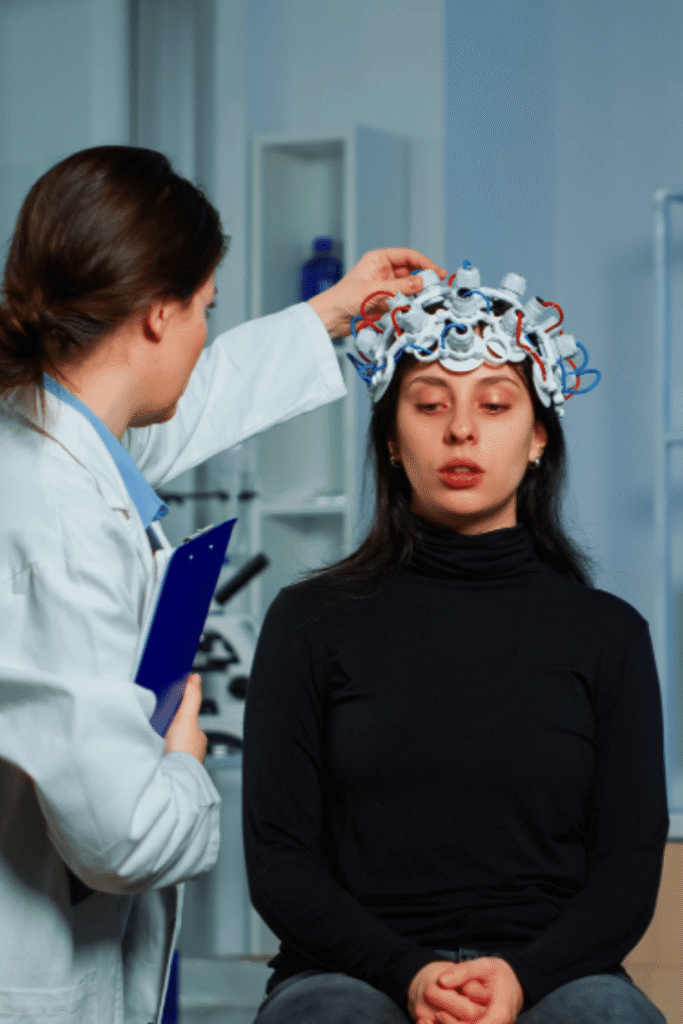
Diagnosing Peripheral Neuropathy: Diagnosing peripheral neuropathy involves performing a thorough neurological evaluation. Dr. Amit Arora first reviews your medical history and symptoms and performs a neurological exam to determine the patterns of nerve involvement.
Diagnostic investigations may include:
• Nerve Conduction Studies (NCS) to assess nerve signal transmission
• Electromyography (EMG) to evaluate muscle and nerve function
• Blood tests to identify diabetes, vitamin deficiencies, autoimmune disorders, and infections
• Imaging studies such as MRI scans when structural causes are suspected
• Specialized autonomic function testing when autonomic neuropathy is suspected
• Additional neurological evaluations based on individual clinical findings
An accurate diagnosis helps determine the severity, type, and cause of neuropathy, allowing for targeted and effective treatment.
Expert Care with Dr. Amit Arora
- Over 15 years of experience in diagnosing and treating complex neurological conditions.
- Expertise in peripheral neuropathy, epilepsy, stroke, movement disorders, headaches, and demyelinating diseases.
- Skilled in advanced neurological diagnostic procedures, including NCS, EMG, EEG, and neuroimaging interpretation.
- Provides personalized treatment plans tailored to each patient’s condition and symptoms.
- Focuses on addressing the root cause of peripheral neuropathy rather than only managing symptoms.
- Utilizes evidence-based treatment approaches aligned with international standards of neurological care.
- Emphasizes patient education, long-term disease management, and preventive neurological care.
- Committed to delivering compassionate, patient-centered care at every stage of treatment