Epilepsy Explained: Early Signs, Seizure Types & Treatment Guide
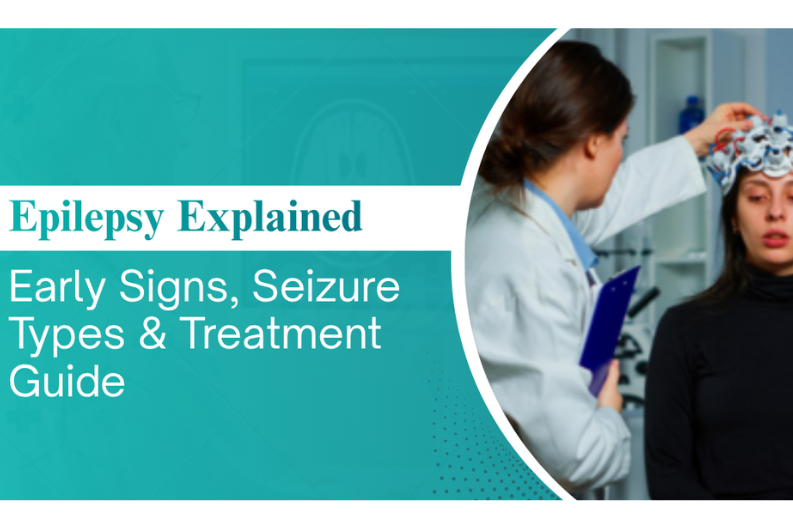
A common neurological disorder is epilepsy; however, there are many misconceptions surrounding it. The most common is that epilepsy refers only to convulsions and shaking, but that is not the case. There are various forms of seizures that can all look different depending on the individual. Patient can lose the ability to respond, feel a different sensation, or may feel a Déjà vu feeling, or may have involuntary jerky movements involving one side or whole body.
Public health estimates suggest that there are approximately 50 million people that are affected by epilepsy around the globe. The importance of early adequate diagnosis and treatment cannot be overstated, as it can enable many people with epilepsy to lead fully functional and productive lives.
It is common to mistake conditions like stress, fainting, panic, or extreme exhaustion for a seizure. Because of this, people may ignore obvious signs of a seizure. It is crucial to spread awareness so that general population can identify all of the symptoms of epilepsy, particularly the various types of seizures and the available treatment options, to recognize the problem and seek treatment.
What Is Epilepsy?
Epilepsy is a neurological disorder and is characterised by seizures caused by a disturbance in the brain’s electrical signals. The result of this disturbance can lead to a temporary altercation of many functions including control, speech, movement, and awareness.
Seizures can be attributed to multiple factors, including, but not limited to, epilepsy, which further muddy the waters surrounding the epilepsy and seizure debate.
Seizure vs Epilepsy: What’s the Difference?
Many people confuse these two terms.
| Term | Meaning |
| Seizure | A sudden episode caused by abnormal electrical activity in the brain |
| Epilepsy | A condition where a person has repeated unprovoked seizures |
For example, a person may have one seizure due to high fever or low sugar. That does not always mean epilepsy. Epilepsy is usually diagnosed when seizures happen repeatedly without a temporary outside cause.
How Common Is Epilepsy?
Epilepsy affects people of all ages, from infants to older adults.
Global trends suggest:
- Millions of new epilepsy cases are diagnosed every year
- It affects both men and women
- It is common in both developed and developing countries
- Many people remain undiagnosed or untreated
- It is one of the leading neurological causes of disability worldwide
This shows why early awareness and medical guidance are essential.
Epilepsy Symptoms
Epilepsy symptoms vary depending on which part of the brain is affected. Some seizures are dramatic and easy to recognize. Others are subtle and may go unnoticed for months.
Common Epilepsy Symptoms
- Sudden staring spells
- Loss of awareness
- Unusual body jerks
- Stiffness in arms or legs
- Temporary confusion
- Repetitive lip smacking
- Sudden fall without warning
- Blank expression
- Sudden fear or panic feeling
- Memory gaps after an episode
Mild Symptoms Often Ignored
Many seizures are not dramatic. Examples include:
- A child pausing mid-conversation for 10 seconds
- Someone blinking rapidly and not responding briefly
- A person repeating hand rubbing movements unconsciously
- Short periods of confusion or body jerks after waking up
Severe Symptoms
- Full body shaking
- Loss of consciousness
- Tongue biting
- Loss of bladder control
Seizure Symptoms: What Happens During a Seizure?
| Category | Symptoms |
|---|---|
| Physical Symptoms | • Body stiffening • Rhythmic jerking movements • Sudden collapse • Twitching on one side • Repeated blinking • Muscle tightening |
| Cognitive Symptoms | • Confusion • Memory loss • Not responding when spoken to • Sudden pause in activity • Trouble speaking for a short time |
| Emotional Symptoms | • Sudden fear • Anxiety without reason • Irritability • Feeling detached from surroundings |
| Sensory Symptoms | • Strange smell or taste • Ringing sounds • Visual flashes or bright lights • Tingling sensations • Feeling something crawling on skin |
Types of Seizures
There are many types of seizures, but doctors broadly divide them into focal seizures and generalized seizures.
1. Focal Seizures
These start in one part of the brain.
Focal Aware Seizures
- Arm twitching
- Tingling
- Visual changes
- Emotional shift
Focal Impaired Awareness Seizures
The person stays aware but may notice:
The person may appear awake but is not fully aware.
Common signs:
- Blank stare
- Lip smacking
- Picking at clothes
- Walking aimlessly
- Confusion afterward
2. Generalized Seizures
These involve both sides of the brain.
| Type | Symptoms | Duration |
| Absence seizure | Blank stare, pause in activity | Few seconds |
| Tonic seizure | Sudden stiffness | Seconds |
| Clonic seizure | Repeated jerking | Short |
| Myoclonic seizure | Brief shock-like jerks | Very short |
| Atonic seizure | Sudden loss of muscle tone | Seconds |
| Tonic-clonic seizure | Stiffening followed by shaking | 1–3 minutes |
Example
A child who “daydreams” many times daily may actually have absence seizures. An adult who suddenly falls due to muscle loss may have atonic seizures.
Warning Signs of Seizures
Some people notice changes before a seizure. This is often called an aura. It can act as an early warning sign.
Common Warning Signs of Seizures
- Sudden dizziness
- Strange smell
- Metallic taste
- Visual flashes
- Fear or panic feeling
- Nausea
- Tingling
- Déjà vu sensation
- Headache before seizure
These signs may happen seconds or minutes before the seizure.
Not everyone experiences warning signs, but if they do, recognizing them can improve safety.
Causes of Epilepsy
Sometimes a cause is found, and sometimes no clear cause is identified.
Known Causes
- Head injury
- Stroke
- Brain infection
- Lack of oxygen at birth
- Brain tumor
- Genetic tendency
- Developmental brain disorders
Unknown Causes
In many patients, scans and tests may look normal, yet seizures still occur.
Risk Factors
- Family history
- Older age
- Childhood neurological problems
- Stroke history
- Severe head injury
- CNS infections
Common Seizure Triggers
Triggers do not cause epilepsy directly, but they can increase seizure chances in someone who already has epilepsy.
Common Triggers
- Lack of sleep
- Stress
- Missed medication
- Alcohol use
- Fever
- Flashing lights in some people
- Dehydration
- Hormonal shifts
- Severe exhaustion
How Epilepsy Is Diagnosed
Diagnosis starts with a careful medical history.
Doctors may ask:
- What happened before the episode?
- How long did it last?
- Was there shaking?
- Was awareness lost?
- How was recovery afterward?
- Any family history?
Common Tests for Epilepsy
EEG (Electroencephalogram)
Records brain electrical signals and may detect abnormal patterns, helping in localization and seizure classification.
MRI Brain
Looks for structural causes such as scars, stroke, or lesions.
CT Scan
Often used in emergency situations.
Blood Tests
Can rule out sugar imbalance, infection or metabolic causes.
Sometimes family-recorded mobile videos can help doctors understand episodes better.
Epilepsy Treatment
Modern epilepsy treatment helps many people reduce or fully control seizures.
1. Anti-Seizure Medications
Doctors choose medicines based on seizure type, age and health profile.
2. Lifestyle Management
- Sleep regularly
- Take medicines on time
- Avoid alcohol in excess
- Reduce stress
- Stay hydrated
- Eat balanced meals
3. Surgical Options
If medicines do not help and seizures start from one treatable brain area, surgery may be considered.
4. Advanced Therapies
- Vagus nerve stimulation
- Responsive neurostimulation
- Ketogenic diet in selected cases
Treatment always depends on the individual.
First Aid for Seizures
Knowing what to do can prevent injury.
What To Do
- Stay calm
- Move dangerous objects away
- Cushion the head
- Turn person to one side if possible
- Time the seizure
- Stay nearby until fully alert
What Not To Do
- Do not restrain movements
- Do not put anything in the mouth
- Do not force food or water
- Do not panic or crowd around
Call Emergency Help If
- Seizure lasts more than 5 minutes
- Repeated seizures occur
- Injury happens
- Breathing difficulty occurs
- First seizure in life happens
Living with Epilepsy
Many people with epilepsy work, study, travel, drive (if medically cleared), marry, and enjoy active lives.
Daily Tips
- Keep regular sleep schedule
- Use medicine reminders
- Manage stress
- Inform close family members
- Follow doctor reviews regularly
- Wear medical alert ID if advised
Emotional Health Matters
Some people fear social judgment after diagnosis. Support groups, counseling, and family understanding can make a big difference.
Conclusion
Epilepsy is a manageable neurological condition, especially when identified early and treated correctly. Learning about epilepsy symptoms, seizure symptoms, types of seizures, warning signs, and treatment options can help improve safety and quality of life.
If you or a loved one experiences seizures, confusion spells, unexplained jerking, or blackout episodes, expert neurological evaluation is important. Dr. Amit Arora, Consultant Neurologist with 15 years of experience and fellowship training in Epilepsy, provides comprehensive assessment and personalized treatment for seizure disorders. Recognized for offering some of the best epilepsy treatment in Dubai, he combines advanced diagnostic techniques with evidence-based care to help patients achieve better seizure control and improved quality of life. Early consultation can help patients move forward with greater confidence and control.