Dizziness, Vertigo and Balance Disorders
Expert Care for Dizziness, Vertigo & Balance Disorders

Understanding Dizziness, Vertigo & Balance Disorders
Dizziness, vertigo, and balance disorders are complex and common conditions within neurology. Vertigo feels like the room is spinning and may cause people to feel as if they are moving when they are actually still. Dizziness feels like the person may faint, feel lightheaded, or be unsteady. Balance disorders make it difficult for people to maintain stability and control when they are standing or walking. These conditions may develop for a variety of reasons including but not limited to complications within the inner ear, issues within the brain, or issues within the nervous system. These disorders should not be overlooked, especially when the symptoms are occurring with a significant frequency or with acute onset.
Common Symptoms You Shouldn’t Ignore
When recognizing symptoms early, you will be able to receive more timely treatment.
Common symptoms to be on the lookout for include:
- Spinning sensations (i.e., the person is experiencing vertigo)
- Feelings of lightheadedness or faint sensations
- Feelings of unsteadiness or a loss of balance
- Vomiting or nausea that is associated with the dizziness
- Dizziness that is accompanied by difficulty in concentrating, or blurred vision.
- Recurrent falls or the person may develop a fear of falling.
If any of the symptoms become worse, you will need to seek medical treatment for further testing.
What Causes Dizziness and Balance Problems?
Dizziness and balance disorders can have multiple underlying causes.
Some of the most common include:
- Conditions affecting the inner ear (e.g., vestibular disorders)
- Neurological conditions affecting the brain
- Low blood pressure or other cardiovascular issues
- Dizziness related to migraines
- Side effects associated with medications
- Nerve disorders
In many cases, identifying the root cause is key to effective management, which requires a thorough neurological evaluation.
Why Early Diagnosis Matters
Early diagnosis prevents potential complications and greatly improves outcomes. If a patient disregards symptoms, there is a higher likelihood of sustaining falls, injuries, and a further decline in quality of life. Timely assessment of a patient’s condition can determine if the presented issues are of a serious neurological nature, or if they are likely of a benign form. Early intervention can help control symptoms and prevent further deterioration.
Diagnosis & Advanced Evaluation
A comprehensive assessment is essential to accurately diagnose dizziness and balance disorders. This typically includes:
- Detailed medical history and clinical examination
- Neurological assessment
- Balance and coordination tests
- Advanced diagnostic procedures when required
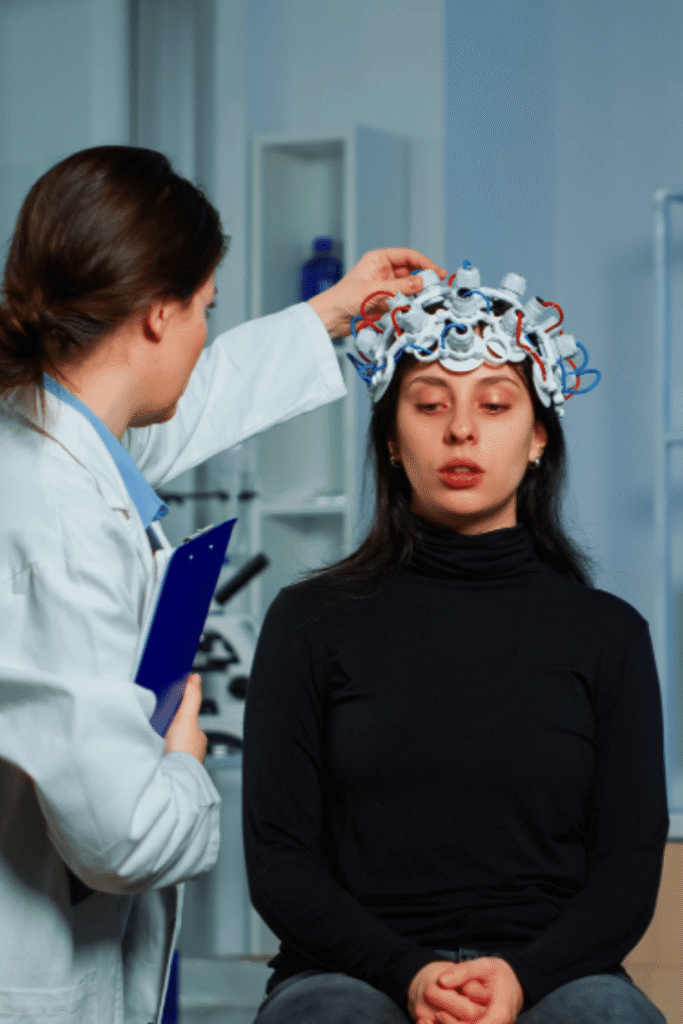
In some cases, electrophysiological studies and imaging may be recommended to understand the underlying cause more precisely.
Personalized Treatment & Management
Treatment for dizziness and balance disorders is tailored to the individual and depends on the underlying cause. Management strategies may include:
Common causes include:
- Medications to control symptoms
- Vestibular rehabilitation therapy
- Lifestyle modifications and balance training
- Management of underlying neurological or medical conditions
The goal is to reduce symptoms, improve stability, and enhance overall quality of life through a structured and patient-focused approach.
When Should You See a Specialist?
You should consult a neurologist if you experience frequent or severe dizziness, sudden onset of vertigo, persistent imbalance, or symptoms associated with neurological concerns such as weakness, numbness, or difficulty speaking. Early consultation can help rule out serious conditions and ensure timely care.
With extensive experience in managing neurological conditions, including dizziness, vertigo, and balance disorders, Dr. Amit Arora offers expert evaluation and personalized care. With over 15 years of clinical experience and international training, he combines advanced diagnostic expertise with an emphathetic approach, esuring patients recieve accurate diagnosis and effective treatment tailored to their needs.